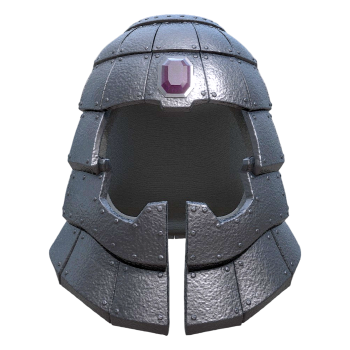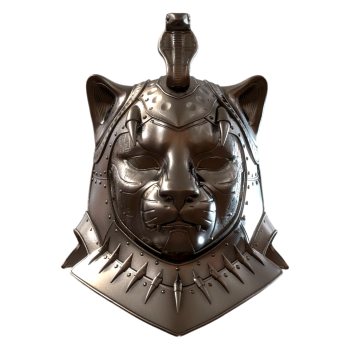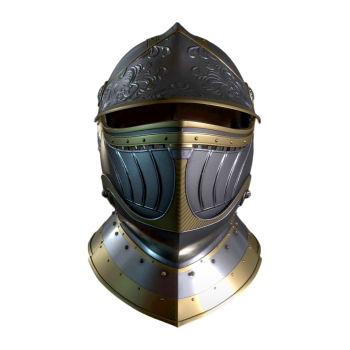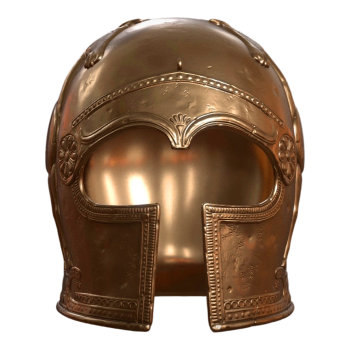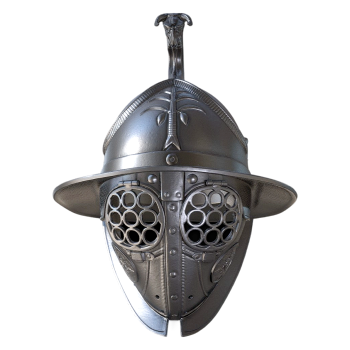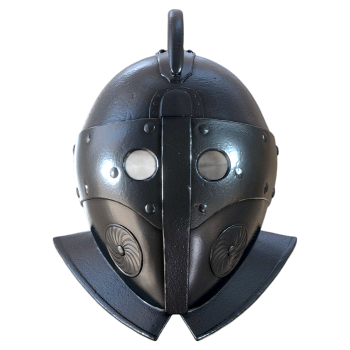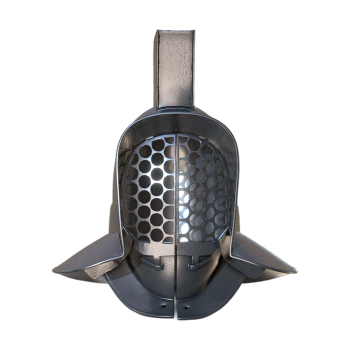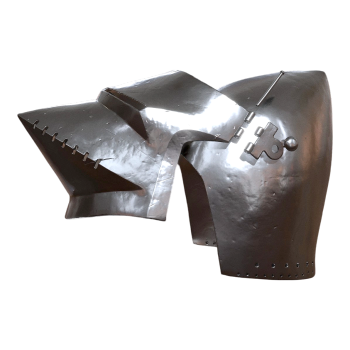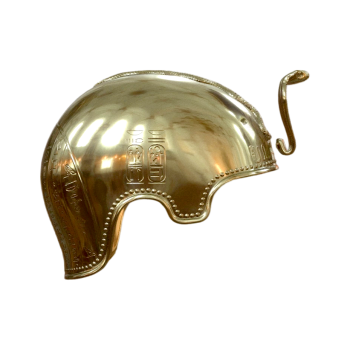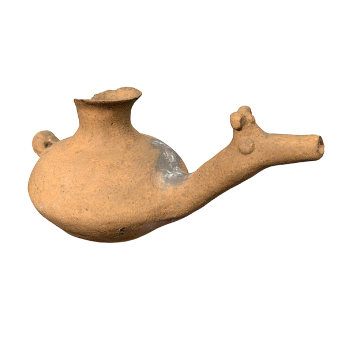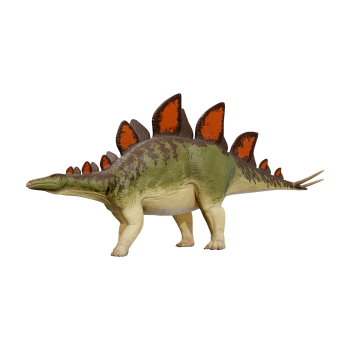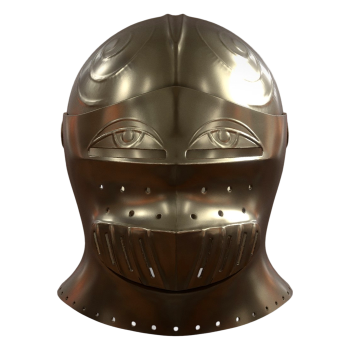
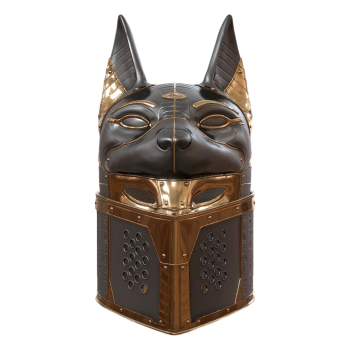
Ancient Egyptian Sehmet Helmet (supports 3D printing)
Saihmet (Sekhmet), a lioness god in ancient Egyptian mythology, was originally the goddess of war and the goddess of medicine in Upper Egypt. She is portrayed as a lioness, recognized by the Egyptians as the fiercest hunter. It was said that her breath formed a desert. She was seen as the patron saint of the pharaohs and guided them in war.
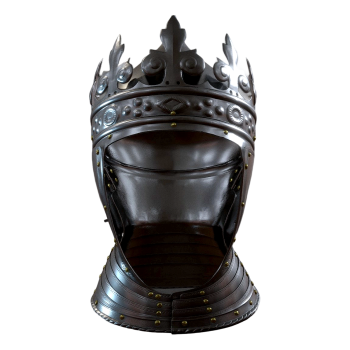
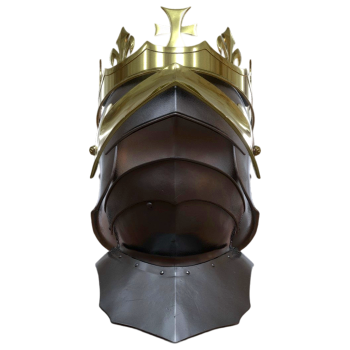
Richard III helmet (supports 3D printing)
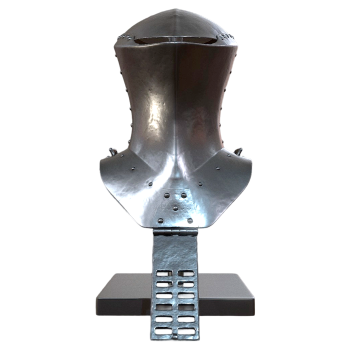
Richard III was the last king of York and the last king of the Plantagenet. Playwrights such as Shakespeare portrayed it as a "hunchbacked tyrant". However, Richard III made great achievements during his reign. He established a complete legal aid system and bail system, assisted universities, churches, and established the Northern Parliament. He enjoyed widespread love in the region at that time.
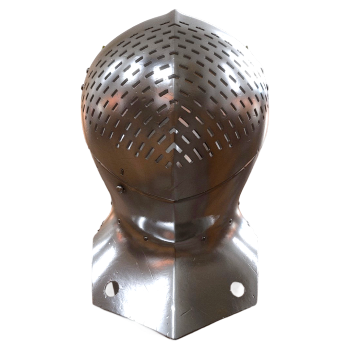
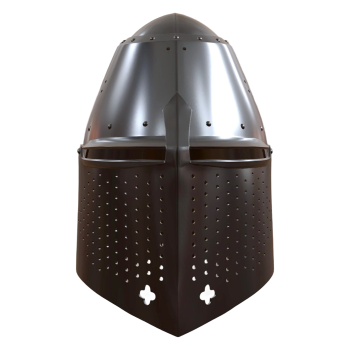
Sir Gilles Capel's helmet (supports 3D printing)
This helmet, or "Great Baschnet", was used for foot racing, and was formerly suspended above the grave of Sir Giles Capel (1485-1556) in the Church of Rennes, Essex, where, as stipulated in his will, his "best helmet" and his sword were placed.
Basteto Helmet (supports 3D printing)
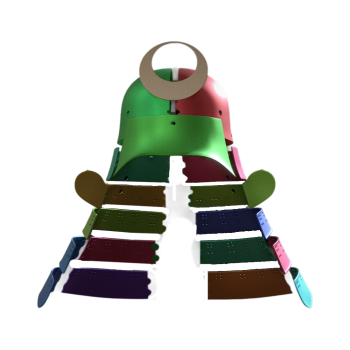
Bastet (Bastet), also known as Goddess Isis or Lady of the East, is a cat god in ancient Egyptian mythology. She began to be worshipped as early as the Second Dynasty of Egypt (2890 BC). Before the unification of Upper and Lower Egypt, she used to be the goddess of war in Lower Egypt, as opposed to the goddess of the lion of Upper Egypt, Sehmet, because of her similarity, basteto's priesthood slowly transformed from the god of war to the patron saint of the family.
Pegasus Helmet
Pegasus (Pegasus, Greek Π-γασος), one of the most famous fantasy creatures in Greek mythology, was born to Poseidon, the god of the sea, and the character is the god of horses.
Sir Richard Pembridge's helmet (3D printable)
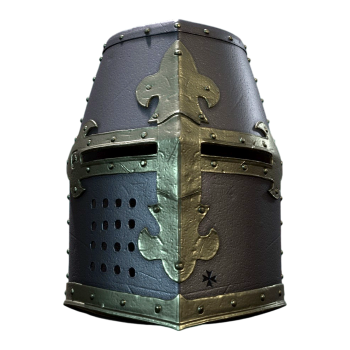
Sir Richard Pembridge (Pembridge Richard, died 1375),KG was one of the first knights of the Garter to be appointed. A man of uncertain family background from Herefordshire, he took part in the Battle of Sruiz (1340) and fought alongside Edward III in the Hundred Years' War at the Battle of Creasy (1346) and the Battle of Poitiers (1356). After that he became guardian of Southampton Castle in 1361 and then constable of Dover Castle and caretaker of the Cinque Harbour in 1370.
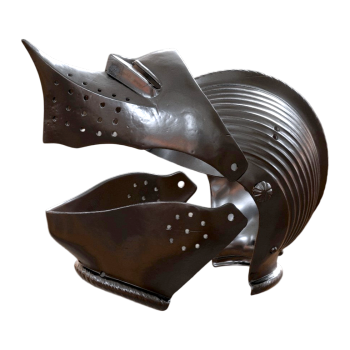
King Magnus Helmet (supports 3D printing, assembled models)
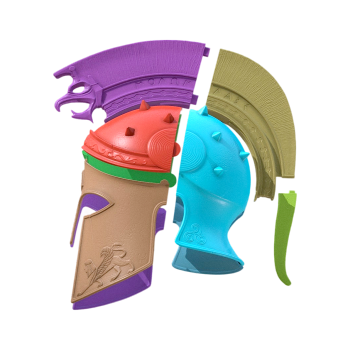
At the age of three, he succeeded to the King of Sweden (1319-1363) and the King of Norway (1319-1343), who were called IV and VII respectively. He officially ascended the throne in 1336 and let his son succeed the king of Norway in 1355, called Haakon VI. A series of reforms introduced by the Swedish king angered the powerful, who put Albert of Mecklenburg on the Swedish throne and launched an armed attack, imprisoning him until 1371. After his release, he left for Norway.
Basin Hound Helmet (Support 3D Printing, Assembled Model)
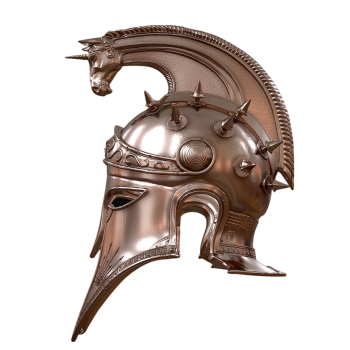
The Bashin Hound Helmet was one of the most popular and widely distributed medieval knight helmets of the fourteenth century.
Perseus's helmet (supports 3D printing)
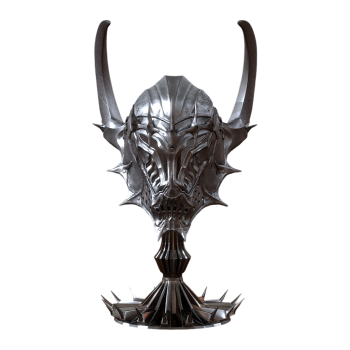
Perseus (Perseus), the hero of ancient Greek mythology, son of Zeus and Danahe, is the source of the constellation Perseus. King Acresios of Argos learned from God that he would be killed by the son of his daughter Danahe, and imprisoned him. Zeus turned into golden rain and Danahe met to give birth to Perseus. With the help of Athena and Hermes, Perseus killed Medusa with Athena's shield and gave her head to Athena.
Helmet of Gustav I (supports 3D printing)
King of Sweden (1496-1560). Born into a noble family, he took part in the struggle against Danish rule in 1517. After losing the war in 1518, he was taken to Denmark as a hostage and fled back the following year. In November 1520, the Danes created the "Stockholm murder" in Sweden, killing about 100 Swedish nobles, priests and citizens, which became the fuse of the Swedish independence movement. He led a popular uprising in Dalarna County in 1521, defeated the Danish occupation forces in 1523, was elected king, and established the Vasa Dynasty.
British World War II Airborne Helmet
British airborne helmets are mostly developed based on MK III helmets (installed in 1941). They reduce the weight (about 1.1kg) by thinning the thickness of the steel shell (about 1.1-1.2mm) while maintaining effective protection against shrapnel (they can resist 7.92mm rifle shrapnel within 50 meters).
Popular Models
Shrine
115 View
King Kong Hercules Wood Carving
166 View
The bell tower of a Japanese temple
189 View
Japanese Samurai Helmet
117 View
Random Model
Dragen-Li
778 View